Is your AI Tool inherently biased against you?
When put plainly like that, it almost sends a chill down your spine. But the truth is AI tools reflect the societies that they were created in, and sadly biases on language, gender and data sets are adopted in the tools.
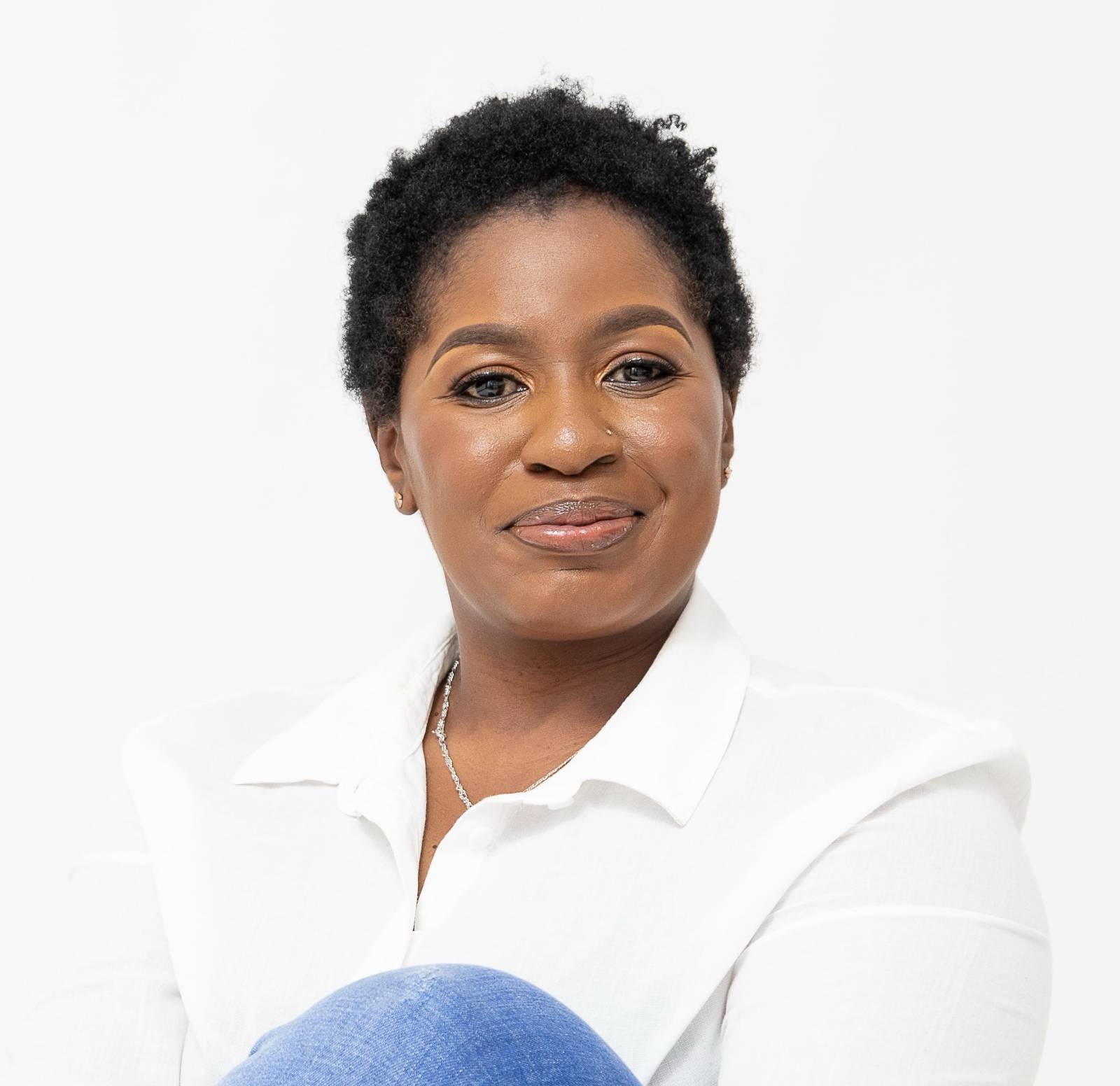
DSA has started a series of webinars that touch on all things AI, and the first edition touched on AI and Gender Bias. The conversation was led by Chido Musodza, who has worked in digital security, language activism and is a keen digital rights advocate.
When it comes to artificial intelligence, Chido explained that AI often mirrors social issues around us, thus AI has discriminated against race, class, gender and even minority and under-represented languages.
This was a key aspect of our conversation. AI models are mostly focused on perspectives based on the Global North. This means that effectively minority languages and gender minorities end up being inherently left out of AI data training. AI only knows what we teach it – therefore bad data begets bad data
However, Chido noted that the situation is not completely bleak. The creation and adoption of the tools can put women and minorities back in the drivers’ seat. One of the surest ways around biased data sets is to ensure that the data sets created are ratified by local actors. This ensures that they reflect the lived realities and perspectives of the very people they are trying to help.
However, this must be done with extra care. As data sets are being created, there is a continuing trend to attempt and/or use African populations as free labour – there have been several instances mentioned by Wikimedia groups and African Digital libraries for owners of AI platforms, to contact these groups and attempt to gain access to local data for nominal sums or incentives, use the data to train their tools and sell the same data back to us in perpetuity. For example, most AI tools while freemium in nature, require monthly payments for users to get the most out of the tool.
Chido emphasized that while these data sets should uplift African stories and perspectives, there need to be strict legal and digital guardrails, especially for underrepresented groups such as gender minorities or indigenous languages.
In situations where women are barred from using the internet due to the view that technology is for the elite, the technology is used to harm women and minorities and inherently excludes them, a triple digital divide is created. Chido noted that safety needs to be baked into the code, to make sure that everyone benefits from this new technology.
The session ended with a call that we don’t have to choose between safety and inclusion. Ethical inclusion is not only possible, but must be emphasized at all levels when creating new tools.